IBS Symptoms
Irritable Bowel Syndrome is a common disorder affecting the digestive system.
While it is not a disease, it is a genuine physical condition.
IBS can involve a combination of symptoms including:
abdominal pain or discomfort
bloating and abdominal distension
flatulence
constipation
diarrhoea
changes in bowel habits
urgency and anxiety
a feeling of incomplete bowel emptying
symptoms that can become worse after eating.
Medical assessment is important because symptoms that appear similar to IBS can occur with other conditions.
Your doctor can assess your symptoms and see whether more investigation is appropriate.
Living with IBS
Living with IBS can be frustrating, unpredictable and, at times, exhausting.
Your stomach or bowel might behave differently from one day to the next.
You might experience abdominal pain, bloating, diarrhoea, constipation or a combination of symptoms.
You’ve probably changed your diet, taken medications and supplements, kept food diaries, avoided certain foods or tried other approaches to manage symptoms.
And yet your symptoms continue to interfere with your everyday life.
IBS can affect much more than your digestive system. It can influence where you go, what you eat, how you travel, your social life, your work and even your confidence in your own body.
The Gut-Brain Axis
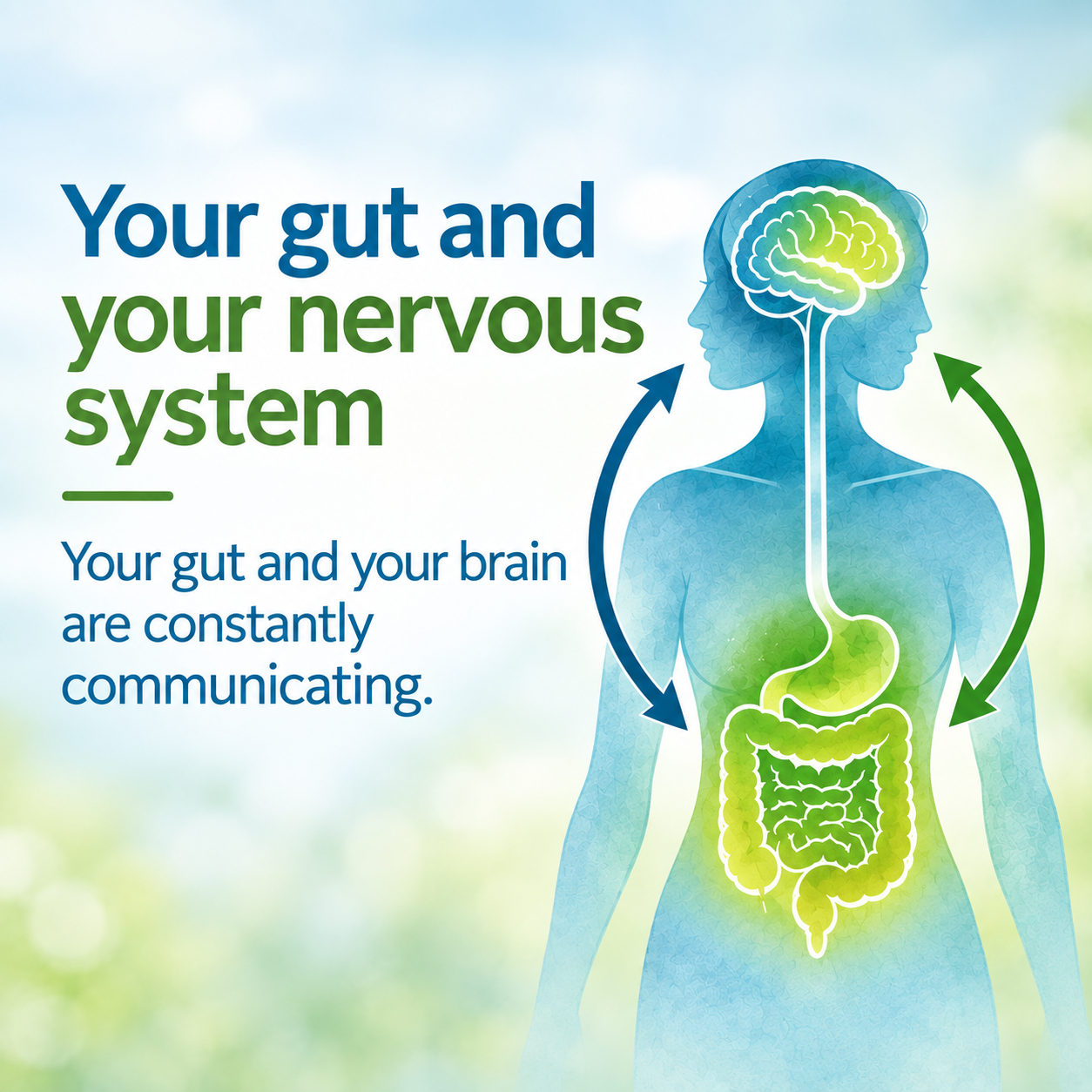
IBS isn’t just about food.
Your brain and digestive system are in constant communication with each other through a massive network of nerves called the Gut-Brain Axis.
When the communication is stressful, your digestive system is affected.
We know that the way your nervous system responds to stress and other experiences can influence how you experience and respond to digestive symptoms. When your nervous system is on edge, your gut often feels it first – as bloating, pain or urgency.
For some people with IBS, stress, worry, anticipation or emotional pressure can be associated with an increase in symptoms.
This Gut-Brain relationship is one of the reasons psychological approaches, including hypnotherapy, can be part of an overall approach to managing IBS.
FAQ
Does stress make my IBS worse?
You might have noticed that your symptoms appear or become stronger during stressful periods.
Maybe your stomach starts to react before you even realise you’re feeling stressed.
The nervous system and digestive system communicate continuously, so changes in your stress response can affect the way you experience sensations in your digestive system.
Learning to recognise and change patterns of stress and tension may therefore be a useful part of managing IBS symptoms.
How can I control my anxiety over my IBS?
Thoughts, emotions, attention and expectations can all influence how your nervous system responds to physical sensations.
When you’ve experienced sudden urgency, pain or the need to find a toilet quickly, it’s understandable that you might start planning your day around your bowel.
You check where the nearest toilets are, avoid new places, limit social activities or worry about what might happen if symptoms arrive while you’re out.
Eventually, the anticipation of symptoms can become so stressful it creates a cycle:
Worry → increased tension → heightened awareness of symptoms → more worry.
Breaking this cycle can be an important part of regaining confidence.
If you’re constantly monitoring your stomach, anticipating pain or worrying about needing a toilet, your nervous system might remain on high alert.
Gut-Directed Hypnotherapy can help you learn to respond differently to these thoughts and sensations and may help you feel calmer and more in control.
I’ve tried everything. What else can I do?
There is no single approach that works for everyone with IBS.
Diet and lifestyle strategies, medication and other approaches can all have a role depending on the individual and their symptoms. A healthcare professional with appropriate expertise can help you determine what is suitable for you.
Hypnotherapy can be considered as an additional approach for some people, particularly when symptoms continue to affect their quality of life.
Gut-directed hypnotherapy for IBS
Hypnotherapy isn't a replacement for medical diagnosis or treatment.
If you are experiencing new, severe or ongoing digestive symptoms, it’s important to speak with your doctor.
You should seek medical advice if you notice symptoms such as blood in your stool, unexplained weight loss, fever or severe diarrhoea, as these symptoms need medical assessment.
If you’ve already been assessed and diagnosed with IBS and are looking for additional support, hypnotherapy can be worth exploring as part of your overall approach to managing the condition.
Research and clinical guidance have identified gut-directed hypnotherapy as one of the psychological approaches that can be considered for people with ongoing IBS symptoms.
Gut-directed hypnotherapy can be used to support clients experiencing a range of functional gastrointestinal conditions. It works by promoting a state of deep physical and mental relaxation, helping to reduce the impact of stress on the gut-brain axis. As the autonomic nervous system shifts away from a heightened stress response, digestive function may improve, allowing the body to operate in a more balanced and restorative state.
The aim is to support regulation of the gut-brain axis, reduce the impact of stress on digestive function, and encourage positive physiological and behavioural change.
If you're ready to explore whether personalised hypnotherapy and NLP could support you with IBS, get in touch to arrange a conversation.
Take the first step to book a no-obligation phone chat and we’ll discuss your situation and how I may be able to help.
Hypnotherapy and NLP are complementary approaches and are not intended to diagnose, treat or cure medical conditions. Continue to work with your doctor and other qualified healthcare professionals regarding the medical management of IBS.
RESEARCH
Below are some links to research articles that discuss the use of Gut Directed Hypnotherapy for IBS.
Palsson, O. S. (2015). Hypnosis Treatment of Gastrointestinal Disorders: A Comprehensive Review of the Empirical Evidence. American Journal of Clinical Hypnosis, 58(2), 134–158. https://doi.org/10.1080/00029157.2015.1039114
Häuser W (2024) Gut-directed hypnosis and hypnotherapy for irritable bowel syndrome: a mini-review. Front. Psychol. 15:1389911. doi: 10.3389/fpsyg.2024.1389911 https://doi.org/10.3389/fpsyg.2024.1389911
Lee HH, Choi YY, Choi MG. The Efficacy of Hypnotherapy in the Treatment of Irritable Bowel Syndrome: A Systematic Review and Meta-analysis. J Neurogastroenterol Motil. 2014 Apr 30;20(2):152-62. doi: 10.5056/jnm.2014.20.2.152. PMID: 24840368; PMCID: PMC4015203. https://pmc.ncbi.nlm.nih.gov/articles/PMC4015203/