Will I lose control in hypnosis?
Many people are curious about hypnotherapy but some common misconceptions can stop them from exploring how the process can help them.
To be honest, the reality is not that mysterious...
What is hypnosis?
Hypnosis can be described as a state of focused attention and deep relaxation - a naturally occurring experience that people encounter in everyday life.
You might have experienced something similar when you’re completely absorbed in a book, music, a film or just your own thoughts.
It doesn’t feel much different to when you ‘zone out’ after staring into the fireplace for a while.
Or when your thoughts drift away sitting near the ocean, listening to waves and birds until everything just becomes a bit muted.
During hypnosis, you remain aware of what is happening. You can hear what is being said, respond to questions and communicate if you need to.
But if you are in a state of deep relaxation, sometimes you just can’t be bothered paying attention to what I’m saying.
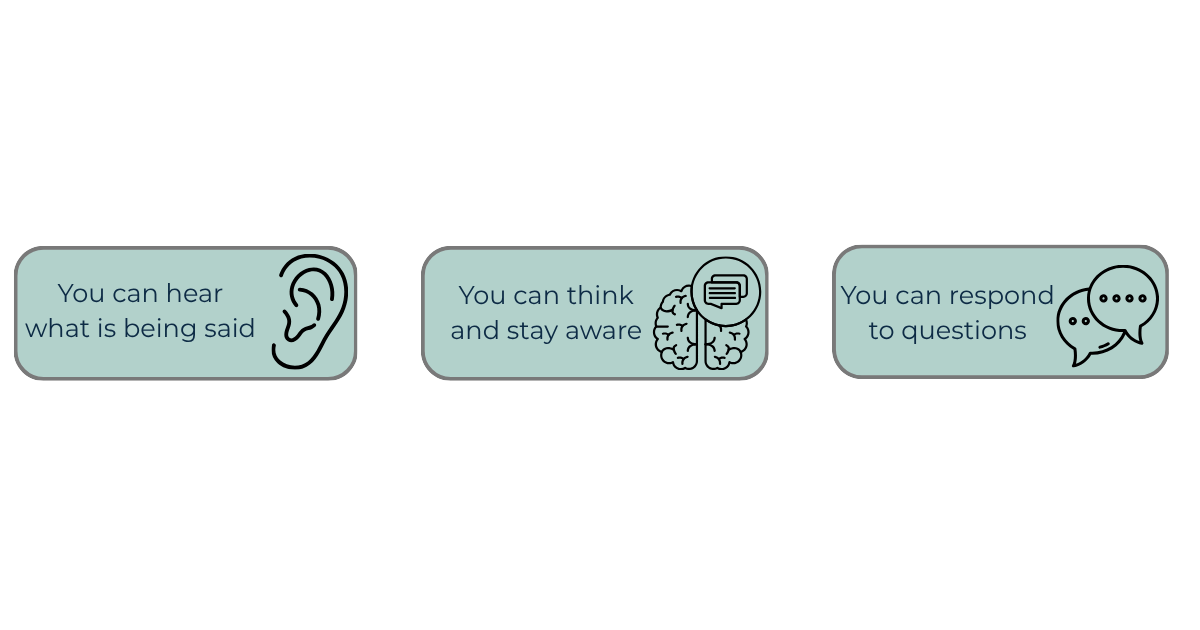
You remain an active participant during hypnosis.
Do you lose control?
No.
Hypnotherapy isn't about handing control over to someone else - you are an active participant in the process.
As the therapist provides guidance and therapeutic suggestions you are still able to respond according to your own values, circumstances and goals.
Will you fall asleep?
Some people relax completely, maybe even snore a little.
You can shift position, move your limbs, whatever you need to do to be comfortable.
Will you be made to do things that you don’t want to?
No.
Remember that you can still hear, think and respond.
Plus, your unconscious mind and I are on your side and only want good things for you.
Will you remember what happened?
Most people come out of hypnosis feeling relaxed, and able to recall where they were, what was said and how good it felt.
In our next session, when I remind them about some of the suggestions or stories, they will often say ‘Oh, I forgot about that bit.’
So what happens during a session?
Your session begins with conversation.
We'll discuss what you’d like to change, what you've experienced so far and what you’d like to achieve.
You don’t need to have that all thought out before you arrive. I take the time to make sure we’re working on the priority change.
Depending on your individual goals, a session might incorporate relaxation, focused attention, therapeutic suggestion, imagery, metaphor and NLP techniques.
The approach is personalised because everyone brings different experiences, habits, thought patterns and circumstances.
Why use hypnosis?
When you're deeply relaxed and focused, it can provide an opportunity to work with thoughts, habits and behavioural patterns in a different way.
The aim isn't to simply tell you what to do.
Instead, the process can help you develop greater awareness and explore alternative ways of thinking and responding.
Hypnotherapy is a collaborative process
There is no need to feel nervous about being hypnotised.
You don't need to “perform” hypnosis correctly.
You don't need to give up control.
And you don't need to have everything worked out before you begin.
We start with where you are now and work towards the changes that are meaningful to you.
Hypnotherapy isn't about giving your control away.
It's about developing greater choice.
If you're curious about whether a personalised hypnotherapy and NLP program is appropriate for your goals, I invite you to get in touch.
Are you ready for change?